28 November 2026
When should a worker activate a personal duress alarm?
Presented by @safeshiftjournal
A worker should activate a personal duress alarm as soon as they feel unsafe, threatened, or unable to get help by normal means. There is no need to wait for an assault, a weapon, or a clear emergency. If a situation feels wrong and the risk may escalate, that is enough reason to send an alert.
The safest approach is simple: if there is doubt, activate it. A false or unnecessary alert can be reviewed later. A delayed alert can leave a lone worker without support at the moment they need it most.
What a personal duress alarm is for
A personal duress alarm is meant to get attention quickly when a worker cannot safely call out, reach a phone, or leave the area. In lone worker settings, the main value is the speed of the alert and the fact that it may be sent without drawing attention to the worker. Some systems include two way voice, location details, fall detection, or man down alerts. Each feature serves a different purpose, but the basic idea stays the same: a worker can signal for help when normal communication is not safe or practical.
This matters because danger does not always arrive with a warning. A tense conversation can turn aggressive. A visitor may ignore a boundary. A worker may become trapped, injured, or disconnected from their usual contact. In those moments, a person may not have time to explain what is happening in a calm and complete way. The first job of the alarm is to start a response.
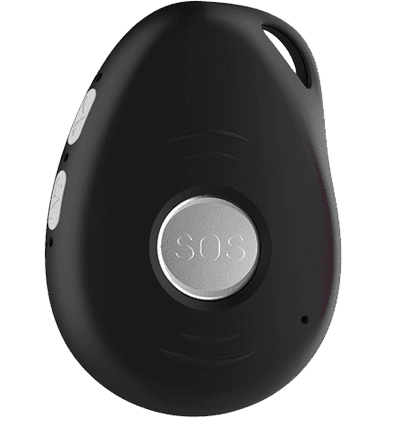
A SOS panic device should be treated as an emergency signal, not as a routine messaging tool. That does not mean it should only be used in extreme cases. It means it should be used when the worker needs urgent help, wants a security contact to listen in, or needs someone to check on their location and wellbeing.

Situations that warrant activation
There are many work situations where activation is reasonable. A verbal threat is one of the clearest. If someone says they will hurt the worker, damage property, block an exit, or come back with others, the worker should not have to judge whether the threat is serious enough. Threat assessment can help prevent harm, but the person in the room should not be expected to make a perfect risk call under pressure.
Physical intimidation is another reason. This may include someone standing too close, following the worker, pushing into a restricted area, refusing to leave, or blocking the worker's route out. Even without a strike, the worker may reasonably believe the situation could become violent. An alert gives a nominated contact a chance to respond, call for help, or use de escalation support before matters worsen.
Activation also makes sense when a worker is injured and cannot move safely. A fall, a sudden illness, or a collision can leave someone unable to reach a phone or speak clearly. Where fall detection or man down alerts are part of the system, they may trigger without the worker pressing anything. If the worker is conscious and able to act, they should still send an alert if they cannot get up, cannot breathe comfortably, or feel their condition is worsening.
A worker may also need help if they are locked in, trapped, or unable to leave a site by the normal route. That might happen during a security incident, a building fault, or an unexpected confrontation. The exact cause matters less than the practical reality: the worker cannot get out and needs someone to know where they are.
Another case is a silent alert when speaking aloud could make things worse. If an aggressive person is nearby, a worker may not want to say that they are calling for help. A silent alert can let a security contact know there is a problem while the worker keeps their attention on the other person. In some cases, two way voice can then be used if it is safe. In others, the contact may need to act on the alert and location without speaking.
Signs that should not be ignored
Workers often talk themselves out of acting because the situation is not yet dramatic. They may think the person is just angry, just stressed, or just speaking loudly. That kind of thinking can be risky. Warning signs can include a raised voice that keeps escalating, insults becoming personal threats, a person moving closer despite being asked to stop, or a crowd forming around the worker. A sudden change in behaviour can also matter, especially if someone becomes quiet, fixed in their attention, or unpredictable.
The worker's own physical response is useful information. A racing heart, tense muscles, shaky hands, or a strong urge to leave are signs that the body has noticed risk. Those signs do not prove that harm will occur, but they are enough to justify an alert. A personal duress alarm is there for the point before a situation becomes unmanageable.
Environmental signs count too. If an exit is blocked, a phone is out of reach, the area is isolated, or the worker has lost sight of a colleague, the margin for error shrinks. The same confrontation may be manageable in a busy area with support nearby, but far riskier in a closed room or after hours. The worker's location and available escape routes should influence the decision.
How to decide in the moment
When danger feels possible, a long decision process is not useful. A practical rule is to ask whether help would be wanted within minutes. If the answer is yes, activate. If the worker is unsure whether the situation will calm down, activate. If there is any chance that waiting will make it harder to call for help, activate first and explain later.
It also helps to have clear workplace expectations before an incident. Workers should know who receives alerts, what information is sent, and what response is intended. They should know whether the alert is silent, whether voice contact is expected, and what to do if it is not safe to speak. Familiarity reduces hesitation. A device that is carried but poorly understood is less useful in a crisis.
Training should cover more than button location. Workers need to understand when activation is appropriate, how to carry the device, how to keep it accessible, and how to avoid creating new risk by reaching for it openly. If the device includes location features, workers should know how location is shared and what limits may apply indoors or in remote areas. If it includes fall detection, they should know that it is a support feature, not a guarantee that every fall will be detected.
After the alert
Once an alert is sent, the worker should focus on personal safety rather than perfect wording. If it is safe to speak, keep messages short and direct. State the location, the nature of the threat, and whether the other person can hear. If speaking is unsafe, let the alert and any location details do their job. Move toward a safer area only if that can be done without increasing risk.
After the immediate situation settles, an incident report helps turn the event into learning. The report can note what happened, what warnings appeared beforehand, how the alert was received, and whether the response worked. It does not need to assign blame. Its purpose is to identify patterns, improve procedures, and make sure the worker feels supported after reporting concerns.

There can be a temptation to avoid activation because of worry about overreacting. That worry is understandable, but it can put people at risk. A workplace that treats appropriate alerts as part of safety planning is more likely to catch problems early. A worker who knows they will not be criticised for seeking help is more likely to act while the situation is still manageable.
Making the rule clear
The clearest rule for workers is this: activate when you feel unsafe, when someone threatens you, when you cannot leave or speak freely, or when your condition may require urgent help. Do not wait for proof. Do not wait until the other person has done something severe. Do not wait until you are unable to press the button.
A SOS panic device is most useful when it is part of a wider safety plan that includes training, response procedures, and clear communication. The device starts the alert. The people and processes behind it determine how quickly help becomes real. For lone workers, that combination can make the difference between facing a rising threat alone and having support while there is still time to act calmly.